Disney Real Estate Strategy: How Disney Quietly Bought Florida
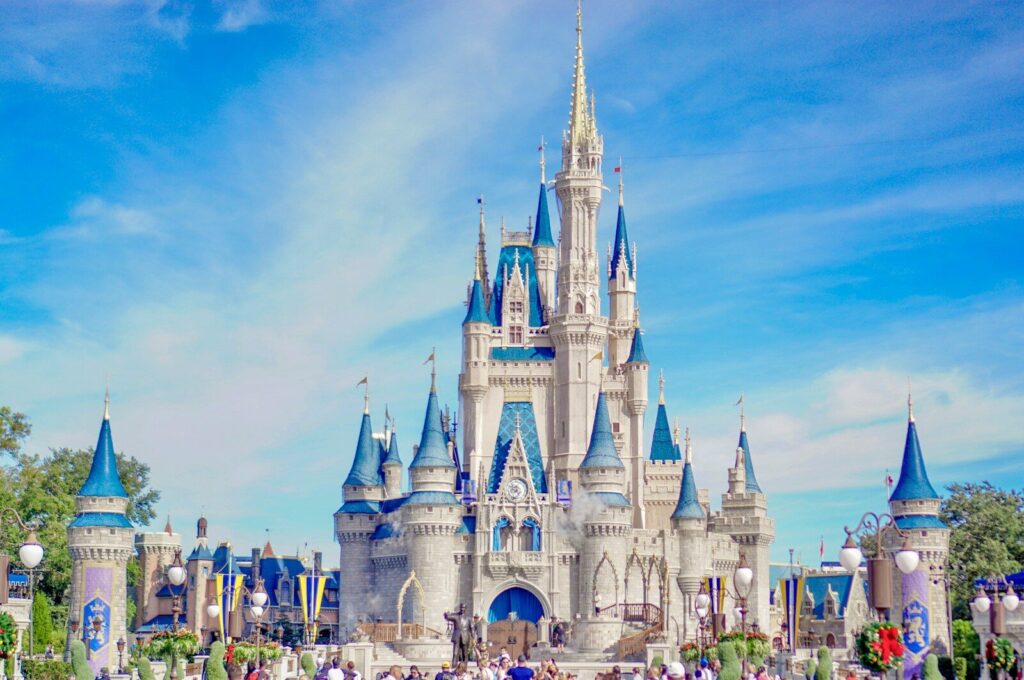
When we think about Walt Disney World, we usually think about theme parks, hotels, characters, fireworks, and family vacations.
But before any of that existed, there was the land.
And the story of how Disney acquired that land may be one of the most interesting real estate stories in American business.
In the 1960s, Walt Disney was looking for a place to build a new project that would give the company considerably more room than it had in Anaheim. The California park had been successful, but Disney had watched businesses and development spring up around it. He wanted more space and more control for his next project.
That search eventually led him to Central Florida.
What followed was a lesson in real estate strategy, location, negotiation, and perhaps most importantly, discretion.
Why Disney Chose Central Florida
Disney wasn’t simply looking for inexpensive land.
Location mattered.
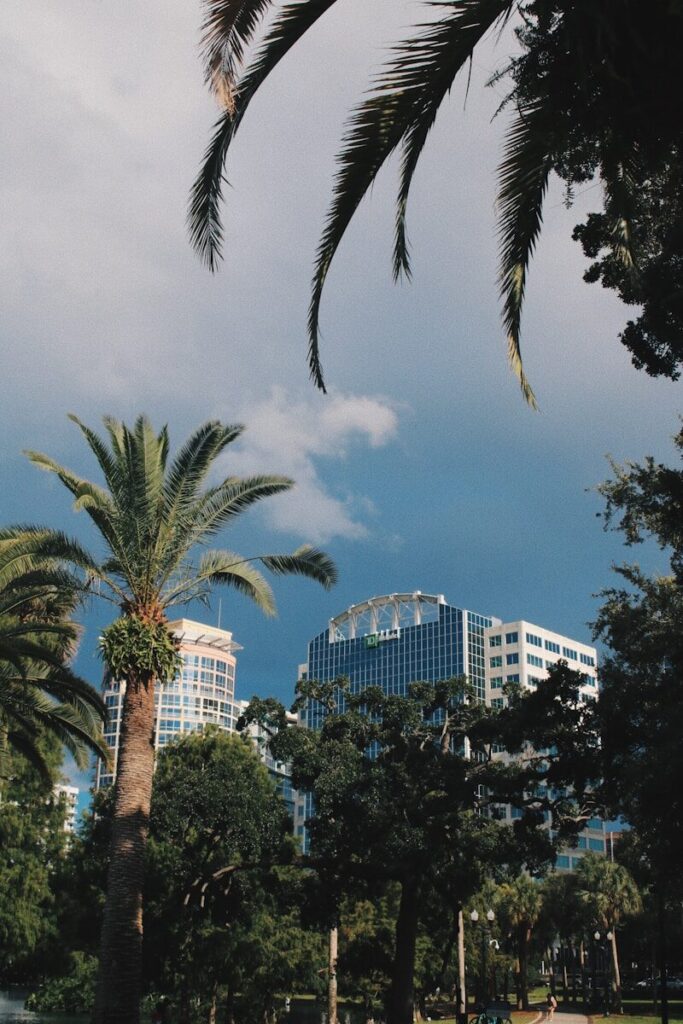
The company studied potential sites, and factors such as land costs, accessibility, population, and climate played a role in the search. Central Florida offered access to major roads and, importantly, enough land to accommodate Disney’s plans.
That last part is important.
Disney wasn’t just thinking about what he needed at that moment. The amount of land the company acquired also provided plenty of room for future growth.
Today, we might call that scalability.
In real estate, it means understanding that the land surrounding your investment can sometimes be just as important as the property you plan to develop first.
The Secret Disney World Land Purchase
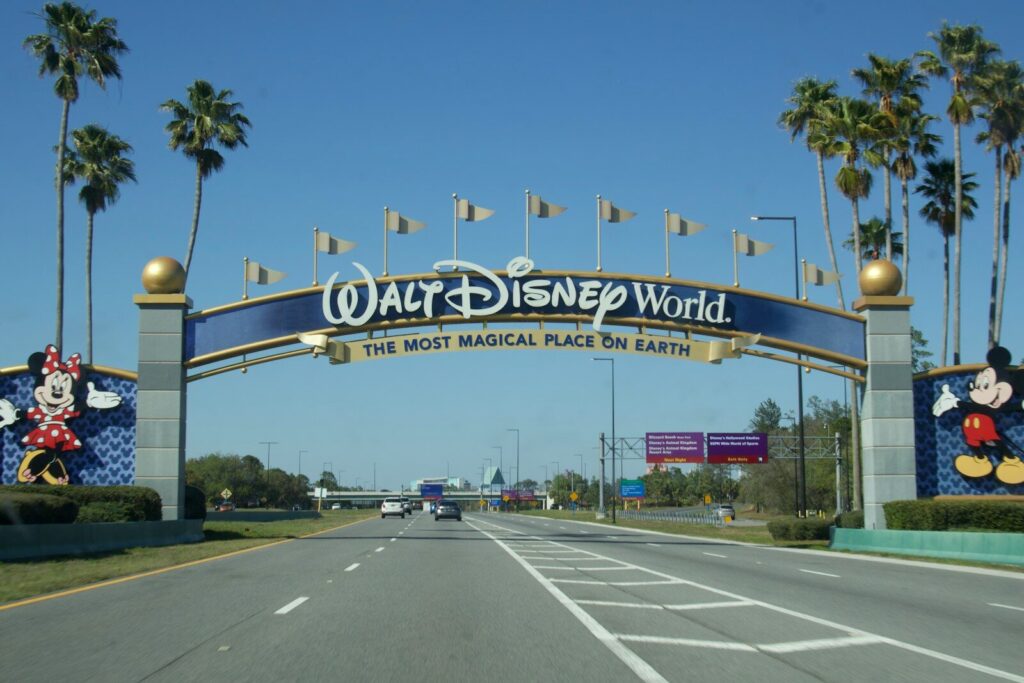
There was one major problem.
Disney needed a tremendous amount of land.
Keeping Disney’s identity confidential helped reduce the risk that publicity and speculation surrounding the project would affect land prices.
So Disney kept the project quiet.
The company referred to the effort internally as Project X, and only a small group of people initially knew what was happening.
As the acquisition progressed, corporations including Reedy Creek Ranch Lands, Bay Lake Properties, Ayefour Corporation, Latin American Development and Management Corporation, and Tomahawk Properties were used to hold title to various purchases.
Piece by piece, Disney assembled the property.
It took approximately 18 months.
By the time the acquisition was complete, Disney had purchased more than 27,440 acres for an average of less than $200 per acre.
Think about that for a moment.
Disney was assembling the land that would eventually become Walt Disney World.
Why Secrecy Mattered
The secrecy served an important business purpose.
Disney understood something every investor eventually learns: information can affect value.
Once people know a major development is coming, expectations change.
Landowners may demand more money. Investors may begin buying nearby parcels. Speculation can increase. Property values can move before construction ever begins.
And that is essentially what happened.
Rumors about the mystery buyer eventually spread throughout Central Florida. On October 24, 1965, the Orlando Sentinel published a story identifying Disney as the company behind the purchases. The following day, Walt Disney Productions allowed Florida Governor Haydon Burns to confirm it.
Then, on November 15, 1965, Walt and Roy Disney joined Governor Burns in Orlando for a press conference about the Florida Project.
By then, Disney had already acquired much of the land needed for the project.
Shortly after the Florida Project was announced, a nearby acre reportedly sold for $131,000.
Compare that to Disney’s average acquisition price of less than $200 per acre.
Of course, that doesn’t mean every acre Disney purchased suddenly became worth $131,000. But it does demonstrate how dramatically expectations surrounding a major development can affect the real estate market around it.
Disney’s Real Estate Strategy Was Bigger Than a Theme Park
Disney wasn’t simply purchasing enough acreage for another Disneyland.
The amount of land Disney acquired gave the company far more control over the area surrounding its development and plenty of room for future growth.
Walt Disney World eventually opened in 1971 with the Magic Kingdom, hotels, and other amenities. EPCOT followed in 1982. Over time, additional theme parks, resorts, shopping, dining, entertainment, and transportation infrastructure followed.
The original land purchase made that evolution possible.
Disney had bought itself something incredibly valuable:
Options.
What Investors Can Learn From Disney’s Real Estate Strategy
You don’t need 27,000 acres to apply the lesson.
The scale may be extraordinary, but the principles are surprisingly practical.
Before purchasing real estate, ask yourself:
What is happening around this property?
Where is development moving?
How accessible is the location?
What could this area look like ten or twenty years from now?
Am I only evaluating what exists today, or am I considering what could exist tomorrow?
Those questions matter whether you’re evaluating a commercial site, purchasing land, investing in a rental property, or considering your first real estate investment.
Great real estate decisions aren’t always about finding the prettiest property.
Sometimes they’re about seeing potential before everyone else does.
The CREW Takeaway
Disney’s Florida story is often told as the story of a theme park.
I see it differently.
It’s also a story about vision and real estate.
Before there was a Magic Kingdom, there were thousands of acres of Central Florida land and an ambitious plan for what could be built there.
That may be the biggest lesson of all.
Real estate investing isn’t only about recognizing value that already exists.
Sometimes it’s about recognizing value that hasn’t been created yet.
Real Estate Case Files 002
Real Estate Case Files explores the real estate decisions behind some of the world’s most recognizable businesses, developments, and destinations. We look beyond what was built to understand the land, location, strategy, and decisions that helped make it possible.