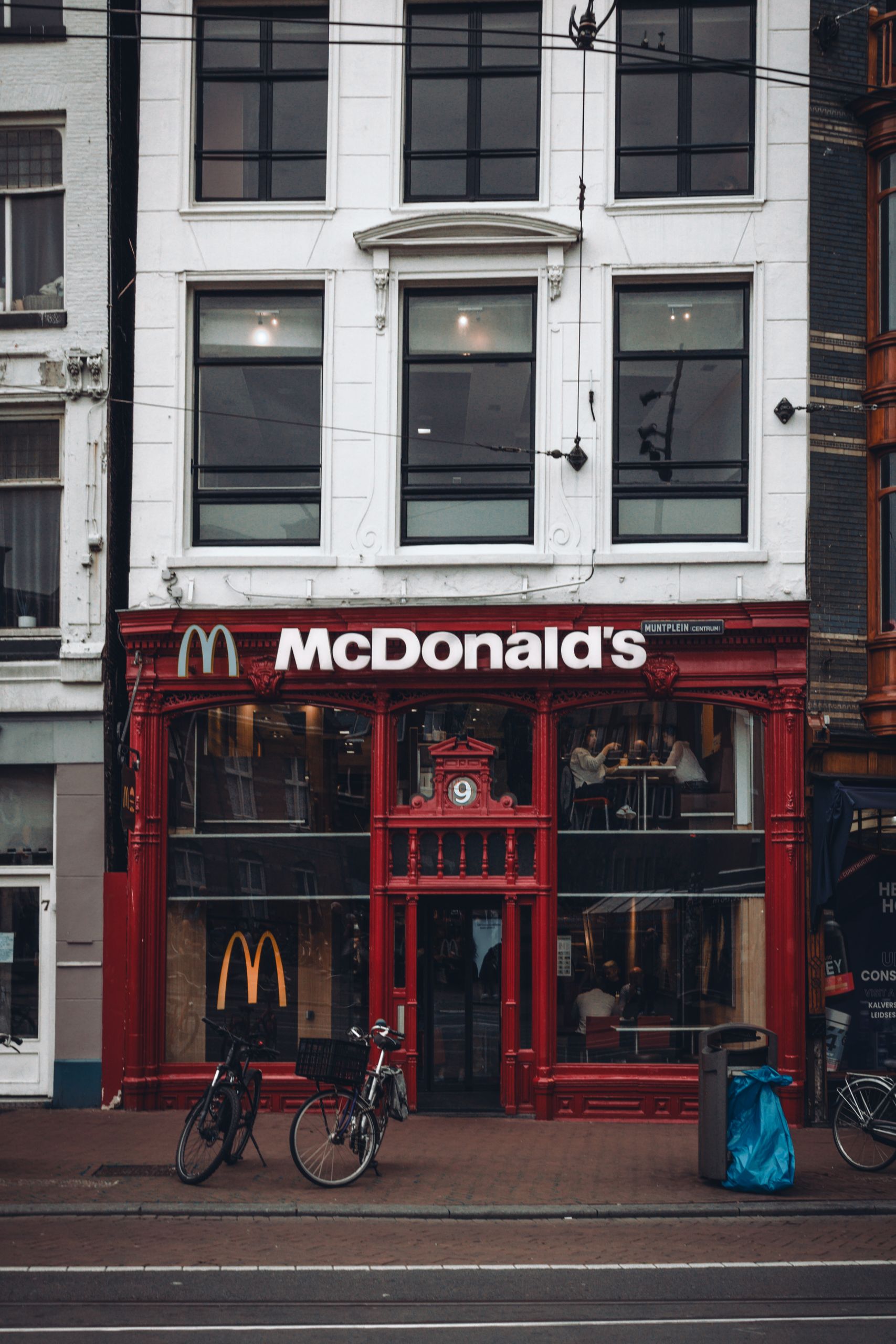
McDonald’s Real Estate Strategy: The Land Underneath the Brand
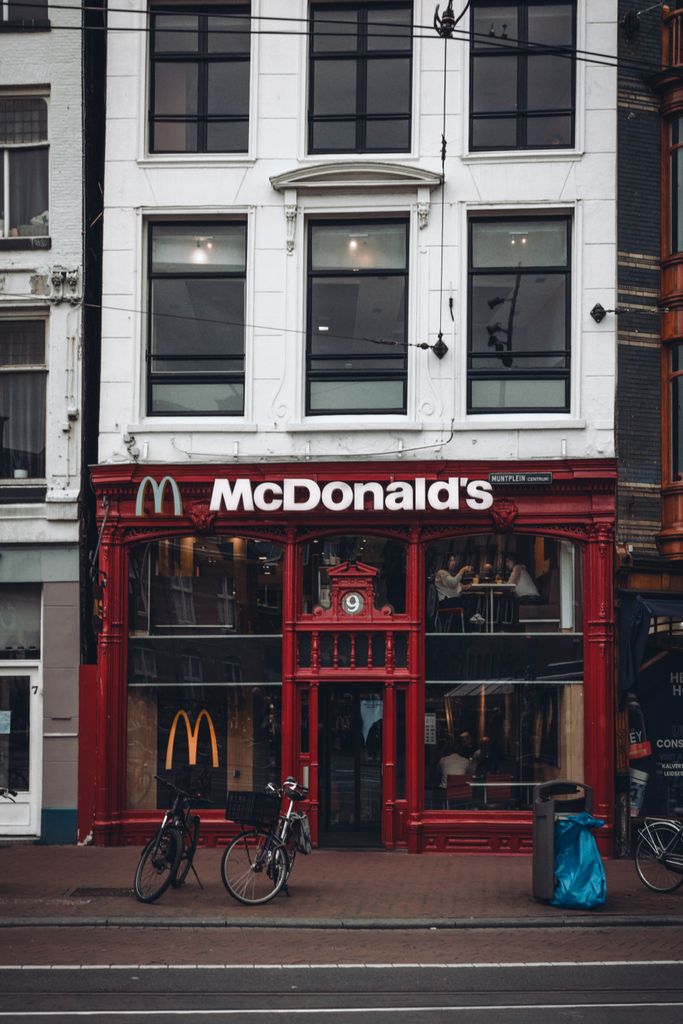
McDonald’s real estate strategy is one of the most fascinating business models in the world. Most people know the company for burgers, fries, and the Golden Arches. However, there’s another story hiding beneath one of the world’s most recognizable brands, and it begins with the land.
One of the most interesting lessons from McDonald’s success is how the company has approached real estate. While McDonald’s is best known as a restaurant company, its growth has also been heavily influenced by its understanding of locations, land, and long-term strategy.
McDonald’s does not own every property where a restaurant operates. However, under its conventional franchise model, the company generally owns or secures a long-term lease on the land and building for the restaurant location, while the franchisee operates the restaurant
That strategy created something powerful.
It allowed McDonald’s to generate revenue from more than just selling food. It gave the company greater control over some of its most important assets: the locations where its restaurants operate. The numbers show just how significant that part of the business has become. In 2025, conventional franchisees contributed to McDonald’s revenue primarily through rent and royalties, along with initial franchise fees.
The lesson is simple.
The business is important, but the real estate behind the business can be just as valuable.
Looking Beyond the Building
The next time you drive past a McDonald’s, don’t look at the restaurant.
Look at where it’s sitting.
Is it on a busy corner?
Can you see it from the highway?
What’s across the street?
What other businesses are nearby?
Those details aren’t accidental.
They’re part of a strategy.
One reason McDonald’s real estate strategy has been studied by investors is because it demonstrates how location can become a competitive advance. Once you start paying attention to location instead of just the building, you’ll begin to understand why real estate plays such an important role in the success of so many businesses.
The Power of Location

The phrase “location, location, location” has become a cliché, but there is a reason it has lasted for so long.
Location impacts visibility, accessibility, customer traffic, demand, and future growth.
For companies like McDonald’s, choosing a location is not just about finding an empty space. McDonald’s has a dedicated real estate operation focused on identifying locations that provide convenience within a market.
The decision about where to build can be just as important as the building itself.
The Bigger Lesson for Investors
The story of McDonald’s is not just about fast food.
It is about how successful companies think about assets.
They understand that real estate is more than a place where business happens. It can become part of the business strategy itself.
The lesson behind McDonald’s real estate strategy applies beyond large corporations.
Whether you are buying your first home, investing in rental property, starting a business, or simply learning more about real estate, it is important to look beyond what is immediately visible.
Ask different questions.
Who owns the property?
Why was this location chosen?
What makes this area valuable?
What could this property become in five, ten, or twenty years?
Those questions help you start thinking like an investor.
The CREW Takeaway
The next time you drive past a McDonald’s, look at it differently.
Most people see a restaurant.
Investors see a location.
They see land.
They see strategy.
They see opportunity.
Because sometimes the most valuable part of a business is not what is being sold.
It is where it is built.
Real Estate Case Files 001
Real Estate Case Files explores the real estate decisions behind some of the world’s most recognizable businesses, developments, and destinations. We look beyond what was built to understand the land, location, strategy, and decisions that helped make it possible.